

What to Consider When Preparing for a Routine Health CheckupWhat to Consider When Preparing for a Routine Health Checkup
A routine health checkup is an opportunity to review your well-being, discuss concerns, and understand whether any changes may be needed in your daily habits. Even when you feel healthy, regular medical visits can help identify risk factors and monitor existing conditions. Preparing before an appointment makes the conversation more productive and helps you get clear answers to important questions. Simple steps, such as reviewing your medical history, listing medications, and understanding the purpose of planned tests, can make a difference. Knowing what to expect also helps reduce uncertainty and allows you to participate more confidently in decisions about your care.
Reviewing Your Medical History
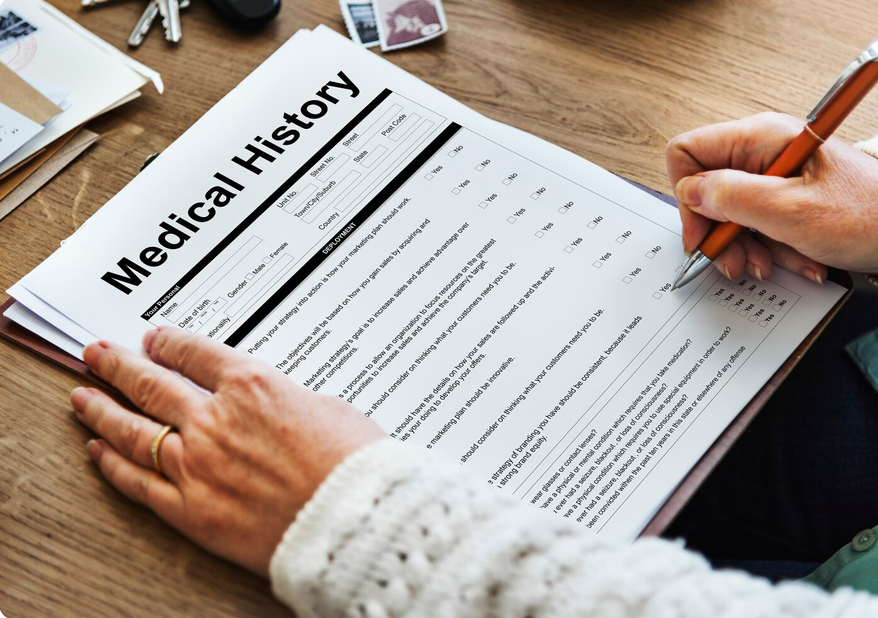
Your medical history provides valuable context for a routine health checkup. Before visiting your healthcare provider, consider any previous illnesses, surgeries, allergies, and ongoing health concerns. These details can help the provider understand your current condition and identify areas that may require closer attention. Family history is also worth discussing. Certain conditions, including heart disease, diabetes, and some cancers, can be more common among relatives. Sharing this information may help your provider assess personal risk factors and recommend suitable screening tests. If you have visited other healthcare professionals since your last checkup, bring relevant reports or test results when available. Mention any significant changes in your health, even if they seemed minor at the time. Accurate information supports better clinical decisions and helps your provider build a clearer picture of your overall well-being.
Preparing a List of Medications
Medication information is another important part of checkup preparation. Write down the prescription medicines, over-the-counter products, vitamins, and supplements you currently take. Include the dosage and frequency whenever possible. If keeping a written list is difficult, bring the original packaging or a reliable medication record. This information helps healthcare professionals review possible interactions, side effects, and treatment concerns. It can also explain certain symptoms or changes in laboratory results. Be honest about missed doses or difficulties following a treatment plan. Your provider needs accurate details to offer practical advice, not to judge your choices. Do not stop taking prescribed medication simply because an appointment is approaching. If you have been told to fast or temporarily adjust a medicine before a particular test, follow the specific instructions provided by your healthcare team. Ask for clarification whenever directions are unclear.
Recording Symptoms and Health Concerns
It can be easy to forget important details during a short medical appointment. Preparing notes beforehand helps you explain concerns clearly and use your consultation time effectively. Record any new symptoms, when they started, how often they occur, and whether anything makes them better or worse. Consider changes in sleep, appetite, energy, digestion, mood, or physical activity. You should also mention recurring pain, dizziness, unusual fatigue, or other changes that affect your daily routine. These observations may help your provider decide whether further evaluation is appropriate. Prepare a few questions about your health as well. You might ask about recommended screenings, vaccination updates, nutrition, exercise, or managing an existing condition. If you have several concerns, identify the most important ones first. This approach helps you address pressing issues without overlooking other questions.

Understanding Fasting and Test Requirements
Some health checkups involve blood tests or other procedures that require preparation. However, fasting is not necessary for every routine appointment or laboratory test. Requirements depend on the specific tests ordered, so confirm the instructions with your healthcare provider or laboratory before your visit. If fasting is required, ask how long you should avoid food and which drinks are permitted. Do not assume that every test requires the same restrictions. People with diabetes, those who take certain medications, and individuals with other medical needs should seek personalized guidance before fasting. You may also need to follow instructions about hydration, physical activity, or sample collection. Arriving prepared can help prevent delays and reduce the chance of needing another appointment. If you accidentally eat or drink something against the instructions, tell the healthcare team rather than concealing the information.
Organizing Essential Appointment Details
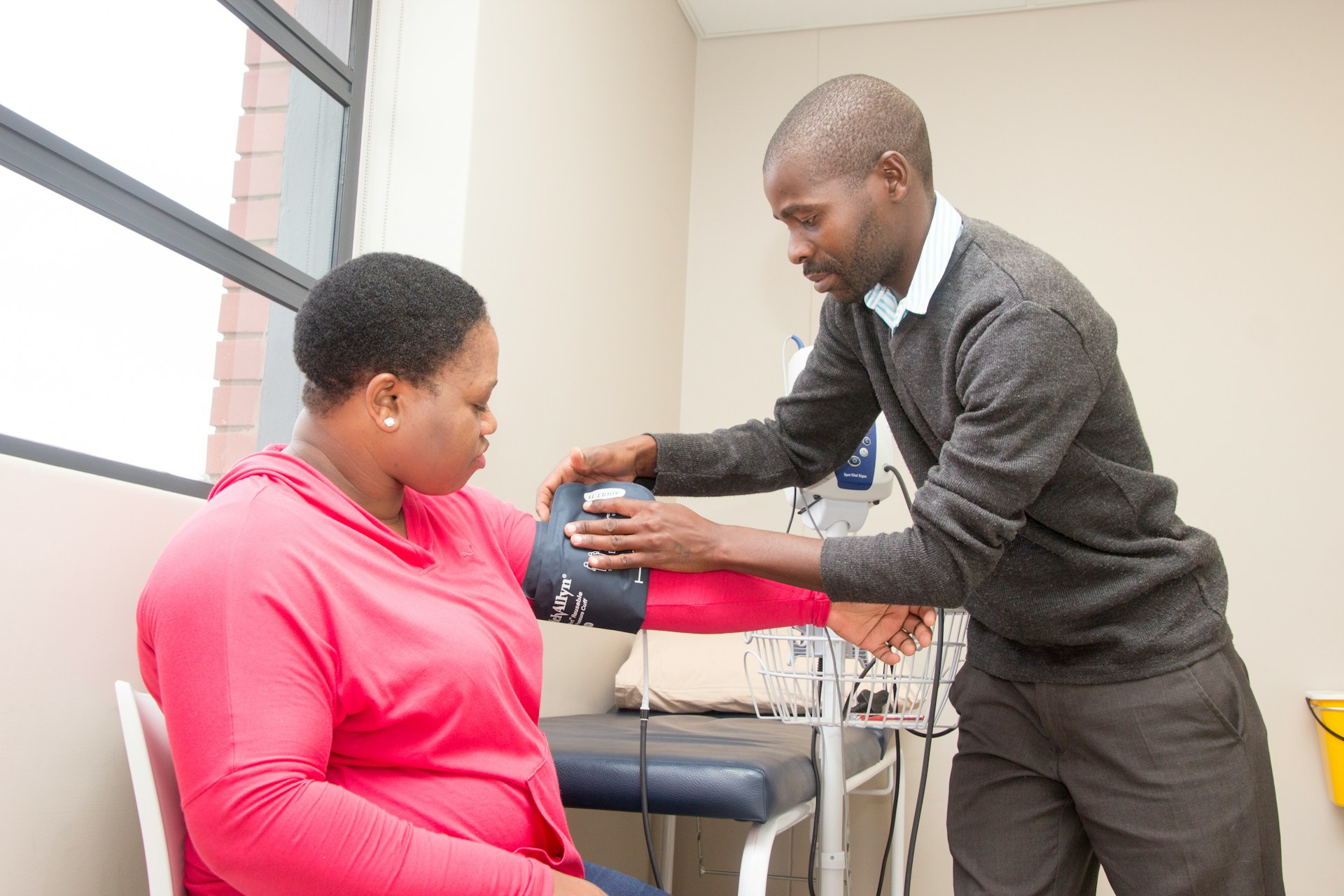
Practical arrangements can make your checkup less stressful. Confirm the appointment time, clinic location, and any paperwork you need to complete. Ask whether you should bring identification, insurance details, referral documents, or previous medical records. Preparing these items the day before can prevent unnecessary rushing. Wear comfortable clothing that allows easy access for a physical examination or blood pressure measurement. If you use glasses, hearing aids, or other assistive devices, bring them along. Consider arriving a little early to complete registration and provide updated information. It may also help to think about how you will travel home, particularly if your appointment includes a procedure that could affect your ability to drive. Most routine checkups do not require special arrangements, but individual tests may have different requirements. Confirm any concerns with the clinic in advance.
A health checkup should provide a clear understanding of what happens after the appointment. Before leaving, ask when and how you will receive test results. Find out whether you need another visit, additional testing, or changes to your current care plan. If your provider recommends lifestyle adjustments, discuss realistic steps that fit your schedule and circumstances. Small, manageable changes may be easier to maintain than major changes introduced all at once. Make sure you understand any instructions, including medication directions and warning signs that require medical attention. Preparing for a routine health checkup involves more than arriving on time. Reviewing your history, organizing medication details, recording symptoms, and confirming test requirements can make the visit more useful. Open communication helps your healthcare provider offer advice that reflects your needs. With thoughtful preparation, a regular checkup becomes a practical opportunity to ask questions, monitor your health, and plan appropriate care.